Affordances of anthropomorphism: Plant companions and migrant world-making
Venue
G.03 - Doorway 6 (Medical School, Teviot)Media
Image
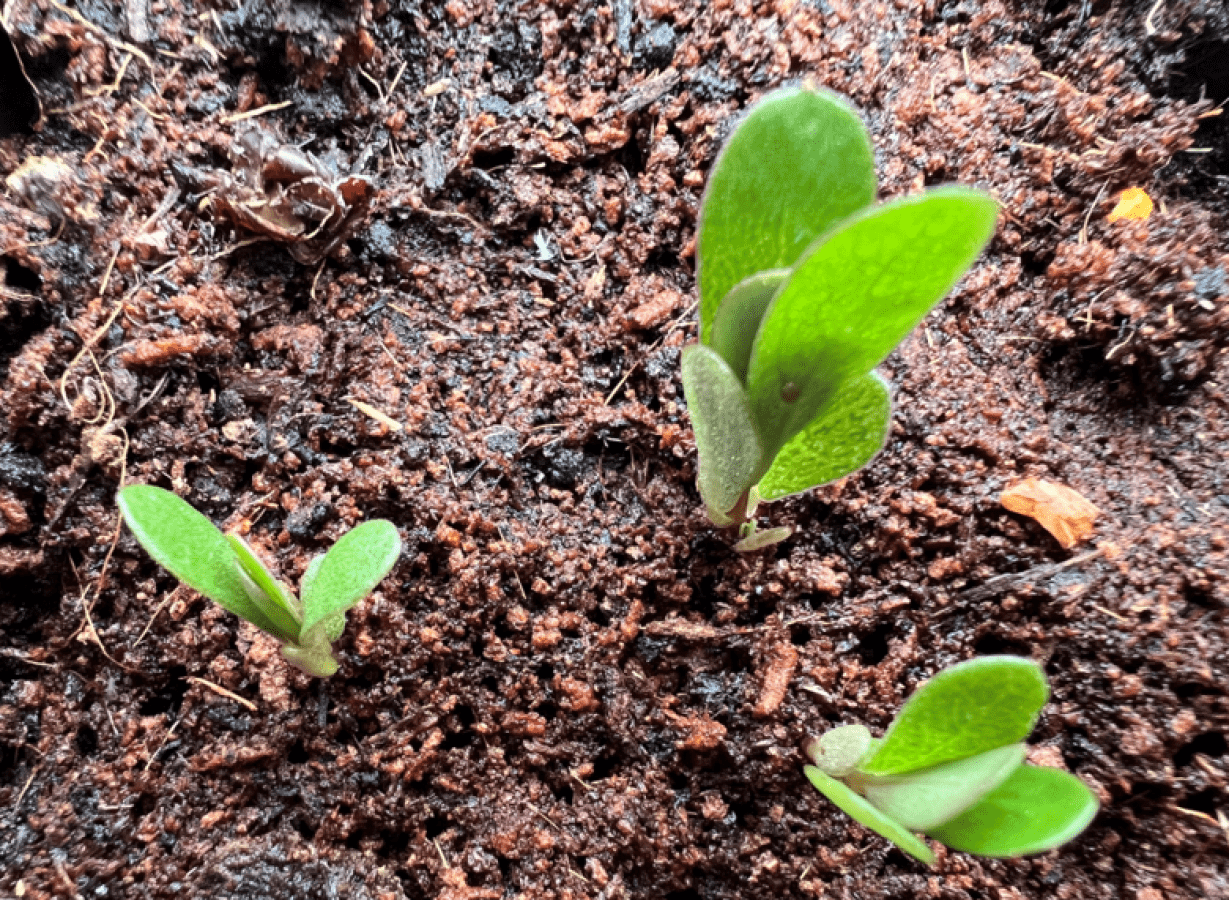
Description
Abstract:
My ethnographic research with Turkish and Kurdish migrants in Berlin examines the multiple affordances of plants in migrants’ experiences of emplacement. In this talk, I focus on one such affordance—one that does not stem directly from plants themselves but from the relational field between humans and plants: anthropomorphism. I ask under what circumstances plants become persons and what they offer to their human carers. Bringing strands of ontological anthropology into conversation with migration studies, I explore how to approach the materialities of plants and people as they encounter one another amid the unsettling process of making new homes. This process unfolds within environments marked by climatic and societal difference, xenophobia, and precarity, while migrants draw reciprocal parallels between themselves and their plant companions. These parallels—anthropomorphisms and phytomorphisms—emerge as modalities of intimacy that enable not only home-making but also broader forms of world-making, generating meanings about the migrant condition that exceed metaphor.

Credit:Tim Fedke and the fieldwork photo to Hilal Alkan.
Hilal Alkan is a social anthropologist based at Leibniz Zentrum Moderner Orient, Berlin and a 2025-2026 Fellow of the Käthe Hamburger Kolleg CURE. Her research concerns migration and care in contemporary settings, most recently through a multispecies lens. Her articles appeared in the American Ethnologist, Social Anthropology, Citizenship Studies, Migration Letters and in other collections. She has a monograph titled Welfare as Gift: Local charity, politics of redistribution and religion in Turkey (DeGruyter 2023) and has recently co-edited special issues for the Cambridge Journal of Anthropology (2025) ‘Making Place with Plants: intimacy, mobility and belonging’ and Social and Cultural Geography (2025) ‘Plant Intimacies: Exploitation, Survival and Care’.