Stronger Than You Think: Building Lifelong Resilience
Venue
Violet Laidlaw Room (6.02), Chrystal Macmillan BuildingSPS, 15a George Square
Description
We’ve never been in greater need of resilience. But we’ve misunderstood it for years. Sooner or later, almost everyone experiences victimization or some other form of trauma. That has been one of the great insights of work on polyvictimization, adverse childhood experiences, and other research on the lifetime cumulative burden of trauma. Nonetheless, many people still manage to put together the pieces of a good life—even after high doses of trauma. Unfortunately, the science of resilience has neglected many pathways to healing. Resilience isn’t something you either have or you don’t. Instead, it is a modifiable process—meaning anyone can learn, practice, and benefit from it across every stage of life.
Drawing on more than thirty years studying violence, trauma, and recovery, Dr. Hamby shares what the latest science reveals about thriving after hardship. This includes more than 20 datasets with more than 30,000 participants, including some from the UK and Ireland, leading to more than 50 peer-reviewed journal articles. This work focuses on the concept of a resilience portfolio. The more and different kinds of strengths in your portfolio—in the form of internal assets like meaning-making and regulatory skills, and external resources like supportive social networks and access to green spaces—the more quickly you can bounce back from adversity, and the better prepared you’ll be to weather future hardship. This talk will focus on the key strengths that have emerged in each domain from the data available to date. Virtually everyone can get better at resilience.
This is an in-person event only. It is essential to reserve via this platform to guarantee your place.
Our speaker:
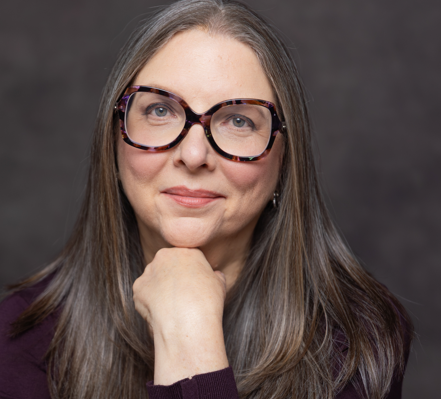
Drawing on more than thirty years studying violence, trauma, and recovery, Professor Sherry Hamby shares what the latest science reveals about thriving after hardship. This includes more than 20 datasets with more than 30,000 participants, including some from the UK and Ireland, leading to more than 50 peer-reviewed journal articles.